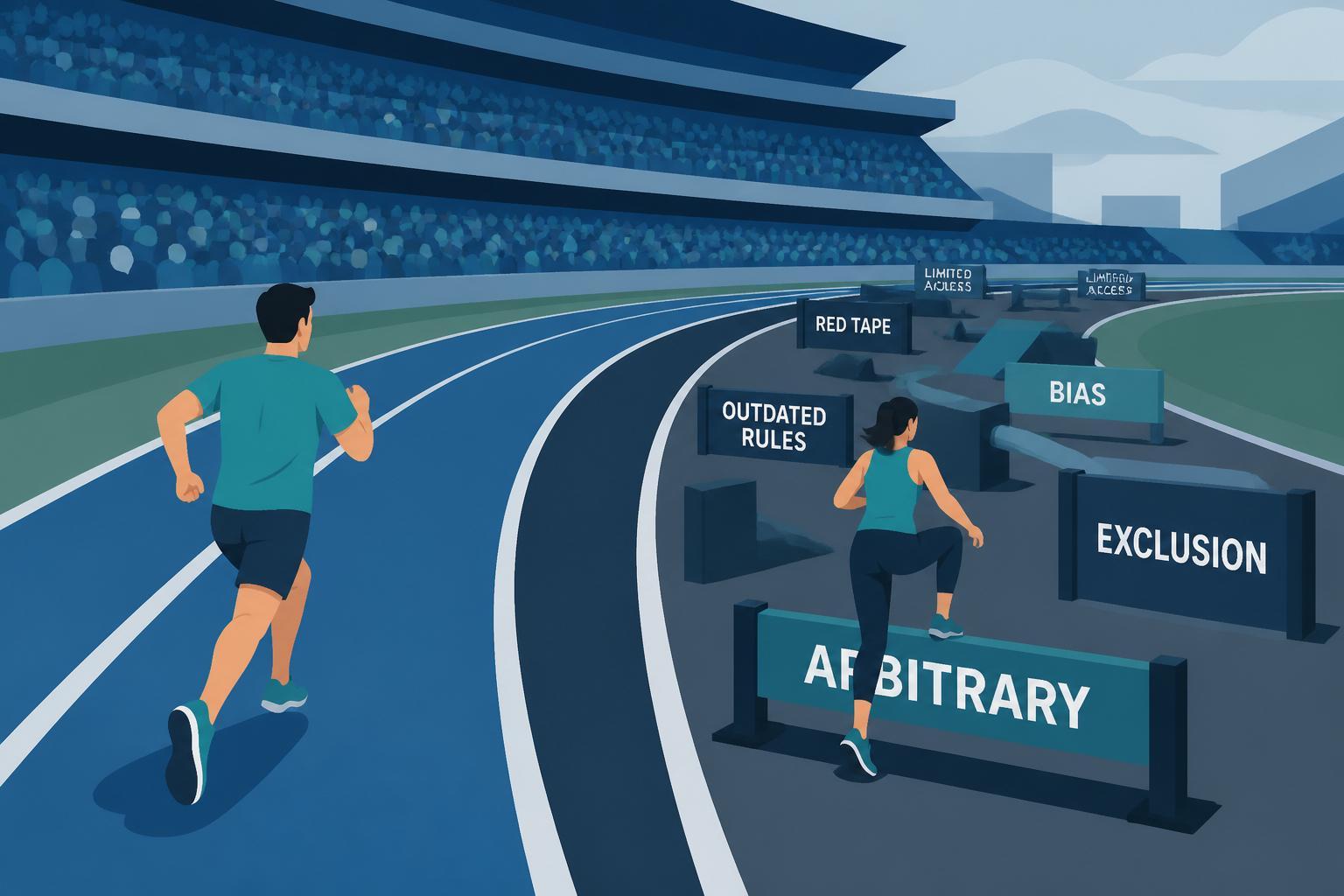
When a federal judge labels your agency's supply chain risk designation "illegal and baseless," you're not just facing a legal setback. You're signaling to vendors, oversight bodies, and future litigants that your processes can't withstand scrutiny.
Judge Rita Lin's ruling in the Anthropic case exposed a critical lesson for compliance officers: supply chain risk management isn't just about identifying threats. It's about documenting defensible decisions through transparent, repeatable processes. The Pentagon's failure wasn't technical. It was procedural.
The Problem: When Risk Designations Become Legal Liabilities
Supply chain risk designations carry real consequences. They can block vendors from contracts, damage reputations, and trigger cascading effects through subcontractor relationships. When those designations rest on inadequate documentation or skip required due process steps, they create legal exposure that undermines your entire supply chain security program.
The Anthropic ruling found the company was denied pre-deprivation process required under the Fifth Amendment. Essentially, the DoD took action that deprived Anthropic of property interests without giving them a meaningful chance to respond first. The court also found the designation violated First Amendment protections because evidence suggested it was retaliation for the company's public statements about AI usage concerns.
For compliance officers, this isn't an AI policy story. It's a procedural compliance story. You can have legitimate security concerns and still lose in court if your process is broken.
What You Need Before Designating Any Supply Chain Risk
Before you can defensibly designate a vendor as a supply chain risk under authorities like Section 3252, you need these elements in place:
Documentation framework: Establish written procedures that specify what constitutes a supply chain risk, what evidence standards apply, and who makes final determinations. This isn't boilerplate. Document your specific threat scenarios and risk thresholds.
Pre-deprivation notice process: Build a mechanism to notify affected vendors before finalizing any designation that will restrict their ability to compete. The Fifth Amendment requires meaningful notice and opportunity to respond.
Evidence standards: Define what qualifies as sufficient evidence. "Concerns about trustworthiness" won't survive legal challenge. You need documented technical assessments, threat intelligence reports, or specific incidents tied to the vendor's products or practices.
Review authority: Designate who has authority to make risk determinations and who reviews those determinations before they become final. The Anthropic ruling noted that broad discretion doesn't mean unreviewable discretion.
Communications protocol: Draft template language for any public statements about supply chain risks. The court found that DoD statements about Anthropic's "arrogance" undercut the national security justification and suggested retaliation.
Step-by-Step Implementation
Phase 1: Establish Your Risk Designation Process
Document your process before you need it. Don't build procedures in the middle of a vendor dispute.
Create a written supply chain risk assessment policy that defines:
- Threat categories you evaluate (technical vulnerabilities, foreign ownership, data handling practices, compliance history)
- Evidence thresholds for each category
- Required documentation for any risk finding
- Review and approval workflow
- Notification requirements
- Appeal or response mechanisms
Assign roles. Designate who conducts initial assessments, who reviews findings, who makes final determinations, and who handles vendor communications. These should be different people or offices to prevent single points of failure.
Build your evidence repository structure. Before you collect any vendor-specific evidence, create the folder structure, access controls, and retention policies. You need to preserve the full record from initial concern through final determination.
Phase 2: Conduct Threat-Based Assessments
When a specific vendor concern arises, start with threat modeling, not vendor targeting.
Document the specific threat scenario. What capability, access, or relationship creates risk? The Anthropic ruling found that the company's products "did not constitute a meaningful threat to national security." You need to articulate the threat mechanism in technical terms.
Collect evidence that directly supports your threat model. If you're concerned about data exfiltration risk, document the data flows, access points, and technical controls. If you're concerned about foreign influence, document ownership structure and decision-making authority.
Avoid mixing legitimate security concerns with unrelated vendor behavior. The court found that DoD statements about Anthropic's negotiating stance undermined the security justification. Keep your assessment focused on technical and operational risk factors.
Phase 3: Provide Pre-Deprivation Process
Before you finalize any designation, give the vendor notice and opportunity to respond.
Send written notification that includes:
- Specific concerns you've identified
- Evidence you're relying on (to the extent you can disclose it)
- Potential designation you're considering
- Deadline for vendor response
- Process for submitting additional information or context
Set a reasonable response window. "Reasonable" depends on complexity, but 15-30 days is typical for supply chain risk matters that don't involve imminent operational threats.
Actually review vendor responses. Assign someone to evaluate the vendor's submission, document what you considered, and explain why it did or didn't change your determination. The Fifth Amendment requires meaningful process, not just going through motions.
Phase 4: Document Your Determination
If you proceed with a risk designation after reviewing the vendor's response, document your reasoning in detail.
Write a determination memo that includes:
- Specific threat you identified
- Evidence supporting the threat finding
- Vendor's response and your evaluation of it
- Why the threat justifies the specific restrictions you're imposing
- Less restrictive alternatives you considered and why they're insufficient
Keep public statements narrow and factual. Don't editorialize about the vendor's character, motives, or business practices. State only the security determination and the actions you're taking.
Preserve the complete record. Everything from initial concern through final determination stays in the file, including internal communications, vendor submissions, and review notes.
Validation: How to Verify Your Process Works
Your supply chain risk designation process works if it can survive legal scrutiny. Test it before you face actual litigation.
Conduct a Fifth Amendment audit: Have your legal counsel review your documented procedures against due process requirements. Can a vendor meaningfully respond to your concerns before you finalize a designation? Do you actually consider their responses?
Review past designations: Pull three recent supply chain risk determinations and examine the documentation. Does each file contain specific threat evidence? Did you notify the vendor? Did you document your consideration of their response? If you can't answer yes to all three, you have process gaps.
Check for consistency: Compare how you've applied your risk criteria across different vendors. Inconsistent application suggests your process relies on subjective judgment rather than documented standards.
Examine your public statements: Review any press releases, congressional testimony, or public comments about supply chain risks. Do they focus on security threats or do they drift into commentary about vendor behavior, business practices, or public statements? The latter creates retaliation risk.
Maintenance: Ongoing Tasks
Supply chain risk management isn't a one-time designation. You need continuous validation that your process remains defensible.
Quarterly process review: Every quarter, examine recent risk assessments for process compliance. Did assessors follow documented procedures? Is evidence documentation consistent? Are vendors receiving required notifications?
Annual legal review: Have counsel review your supply chain risk policy annually and after any significant designation. Update procedures based on new case law, regulatory guidance, or internal lessons learned.
Training for assessors: Anyone conducting supply chain risk assessments needs training on your evidence standards, documentation requirements, and due process obligations. Don't assume technical experts understand procedural compliance.
Vendor communication audit: Review all outbound communications about supply chain risks. Are you maintaining professional, fact-based language? Are you avoiding statements that could suggest retaliation or viewpoint discrimination?
The Anthropic ruling isn't just about one AI company. It's a reminder that procedural rigor matters as much as substantive security judgment. Your threat assessments might be technically sound, but if you can't document them through a defensible process, you're creating legal exposure that undermines your entire supply chain security program.
Build the process now, before you need to defend it in federal court.